
New gameplay dataprocessed every day
 Get in touch
 Gaming is our data engine.
We use competitive gameplay to observe human behavior under pressure — turning millions of in-game decisions into data for behavioral AI.
A measurable environment for human behavior at scale.
Competitive games repeatedly place people in situations with limited time, limited information and direct consequences. Every match produces a continuous record of how players perceive, decide, coordinate and adapt under pressure.
- 01Capture
Actions
Every movement, input and reaction leaves a data trace. We can observe continuous behavior — not only kills, scores or final results.
- 02Reconstruct
Context
The same action can be correct or disastrous. We reconstruct what the player could see, hear and know when the decision was made.
- 03Measure
Outcomes
Every decision changes the game state. We compare what happened before, during and after to see how actions shaped the outcome.
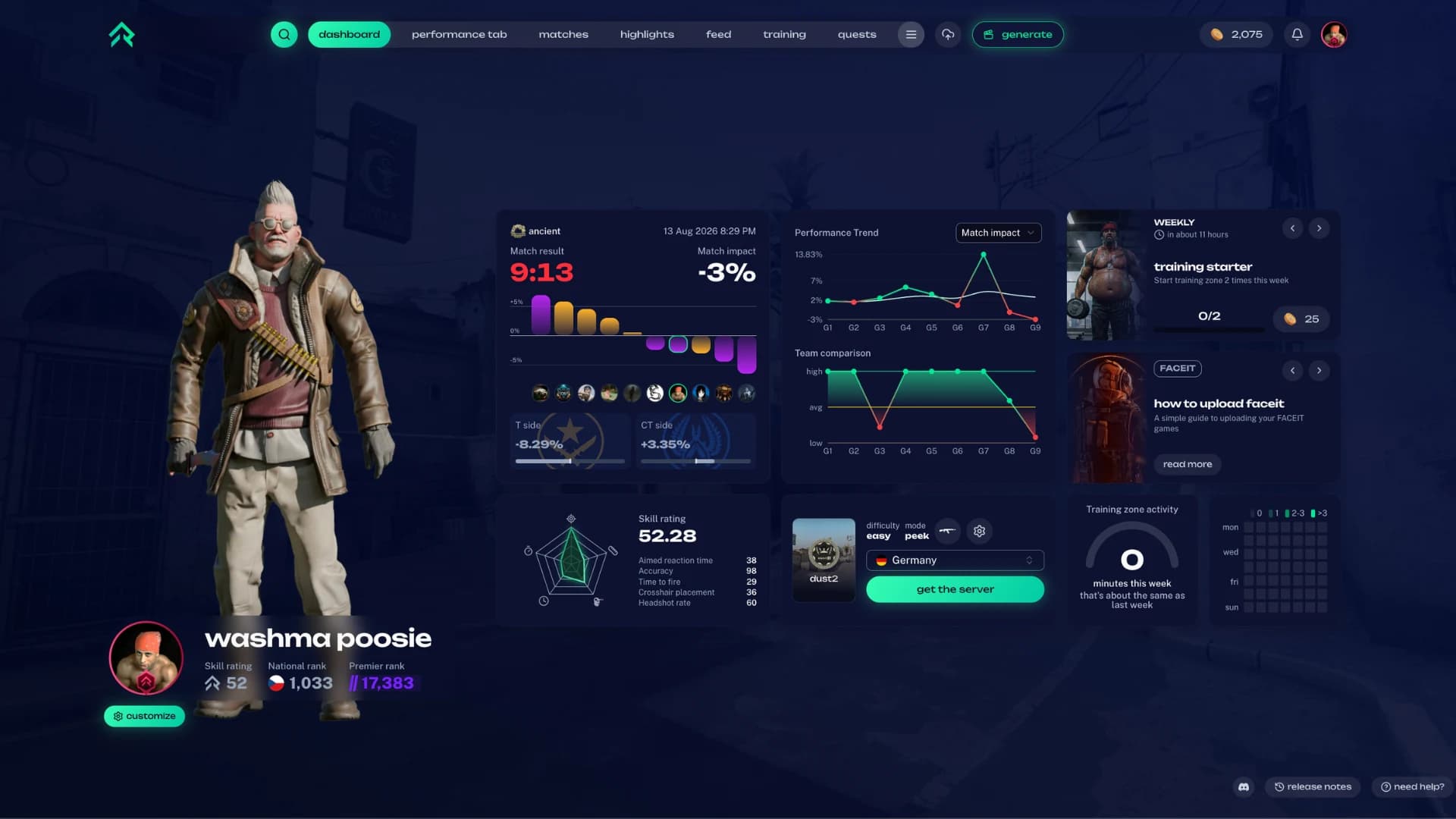
Dashboard
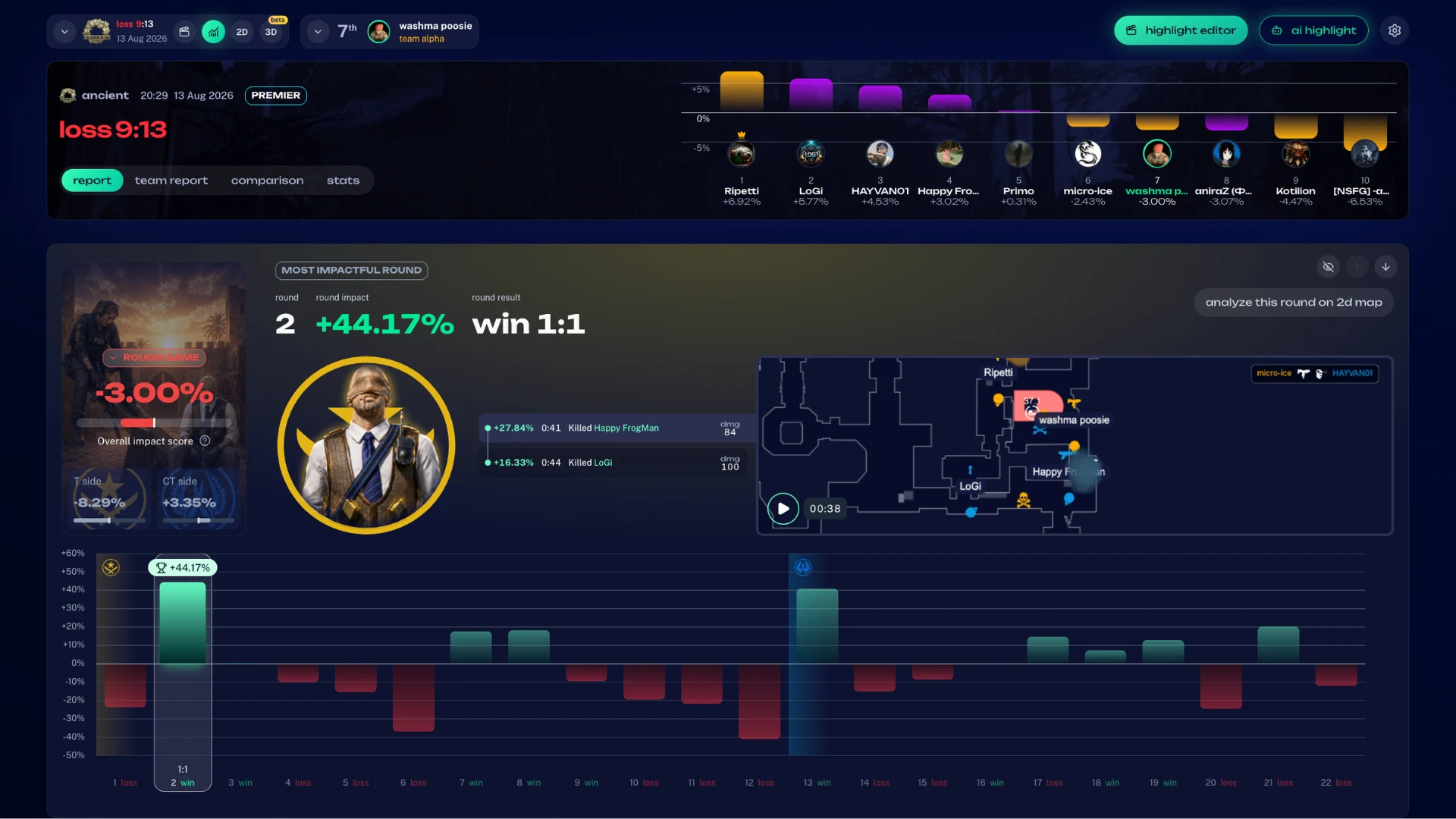
Detailed stats
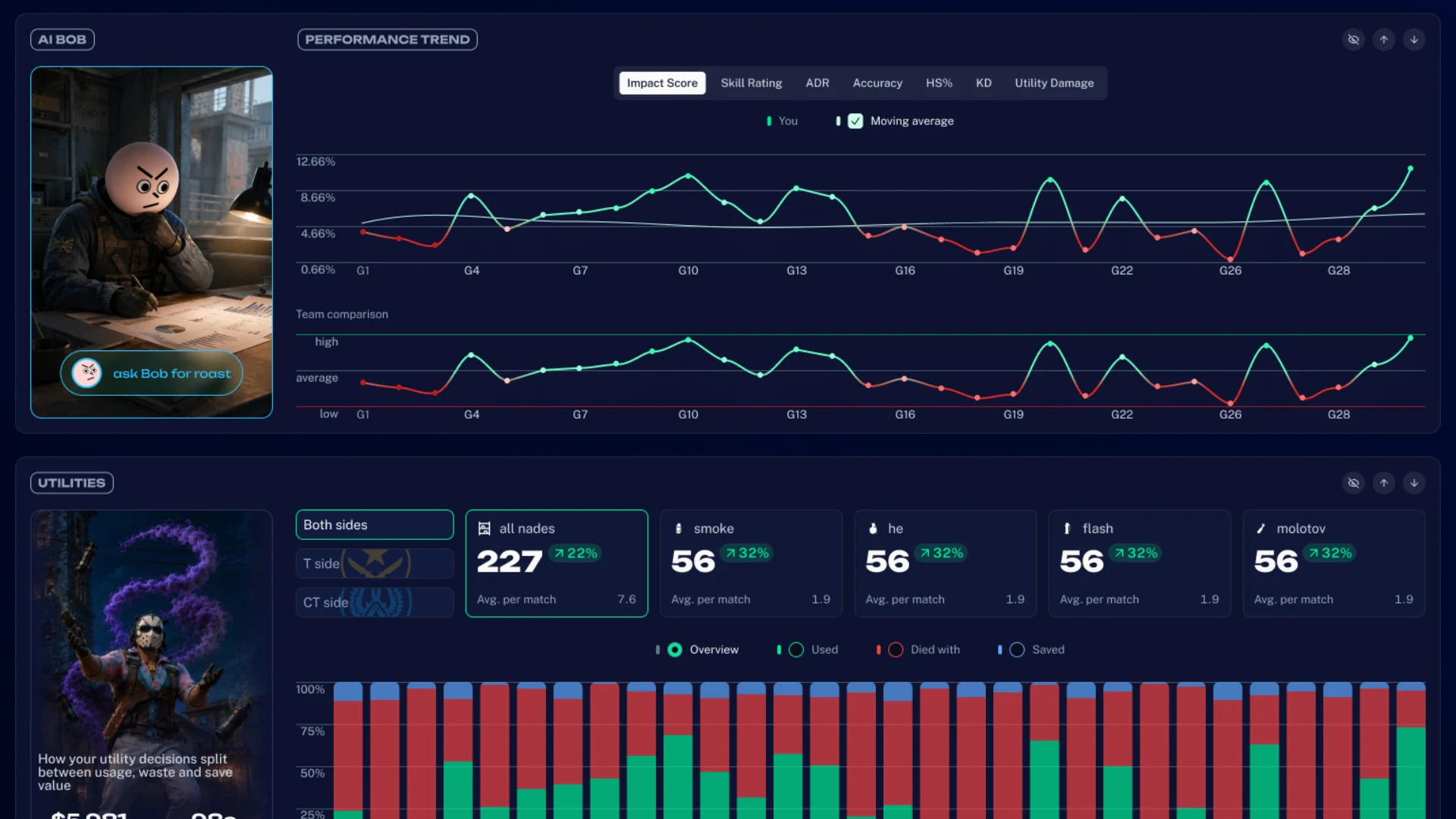
Trend following
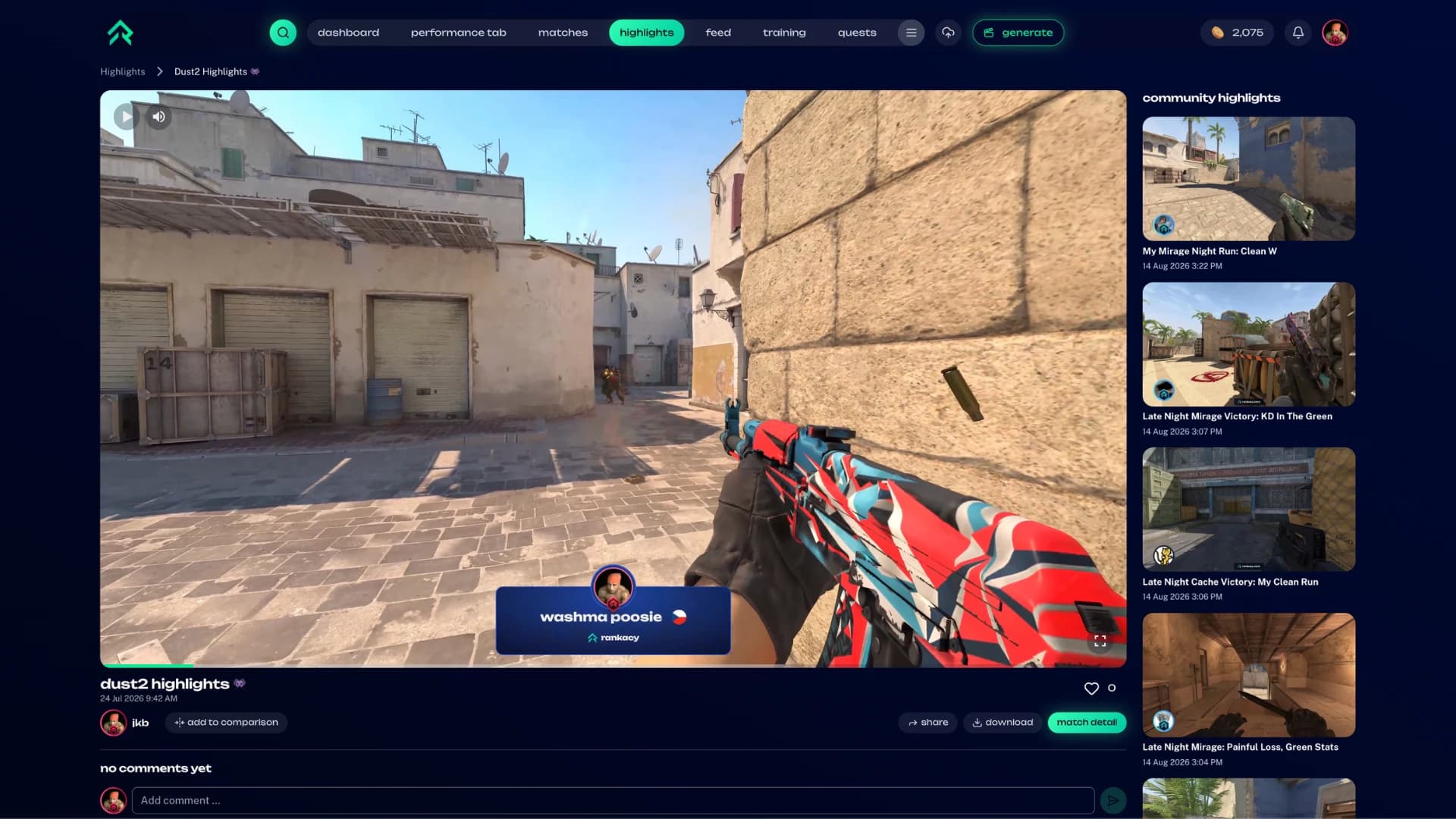
Highlights generator
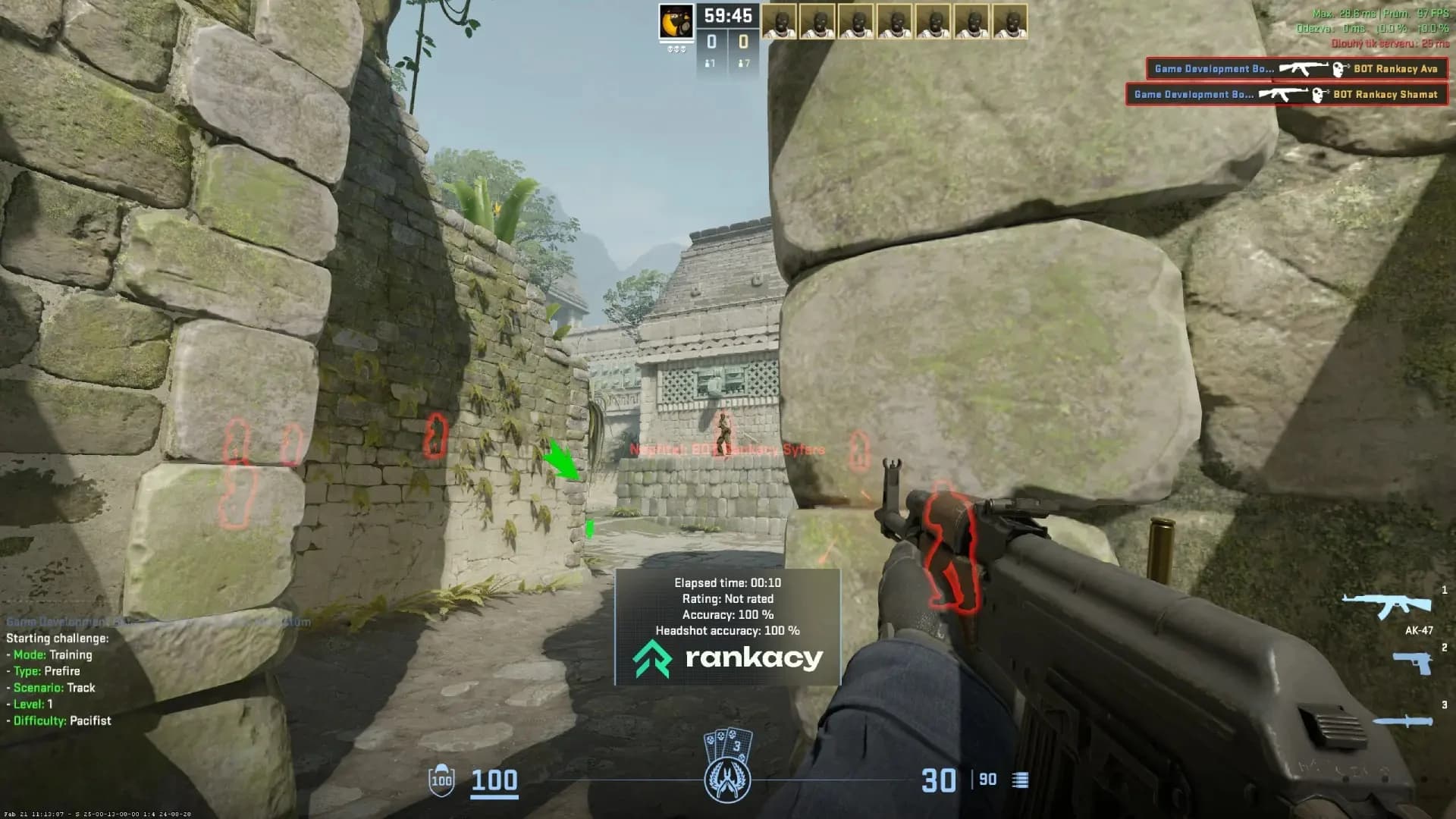
Training environment
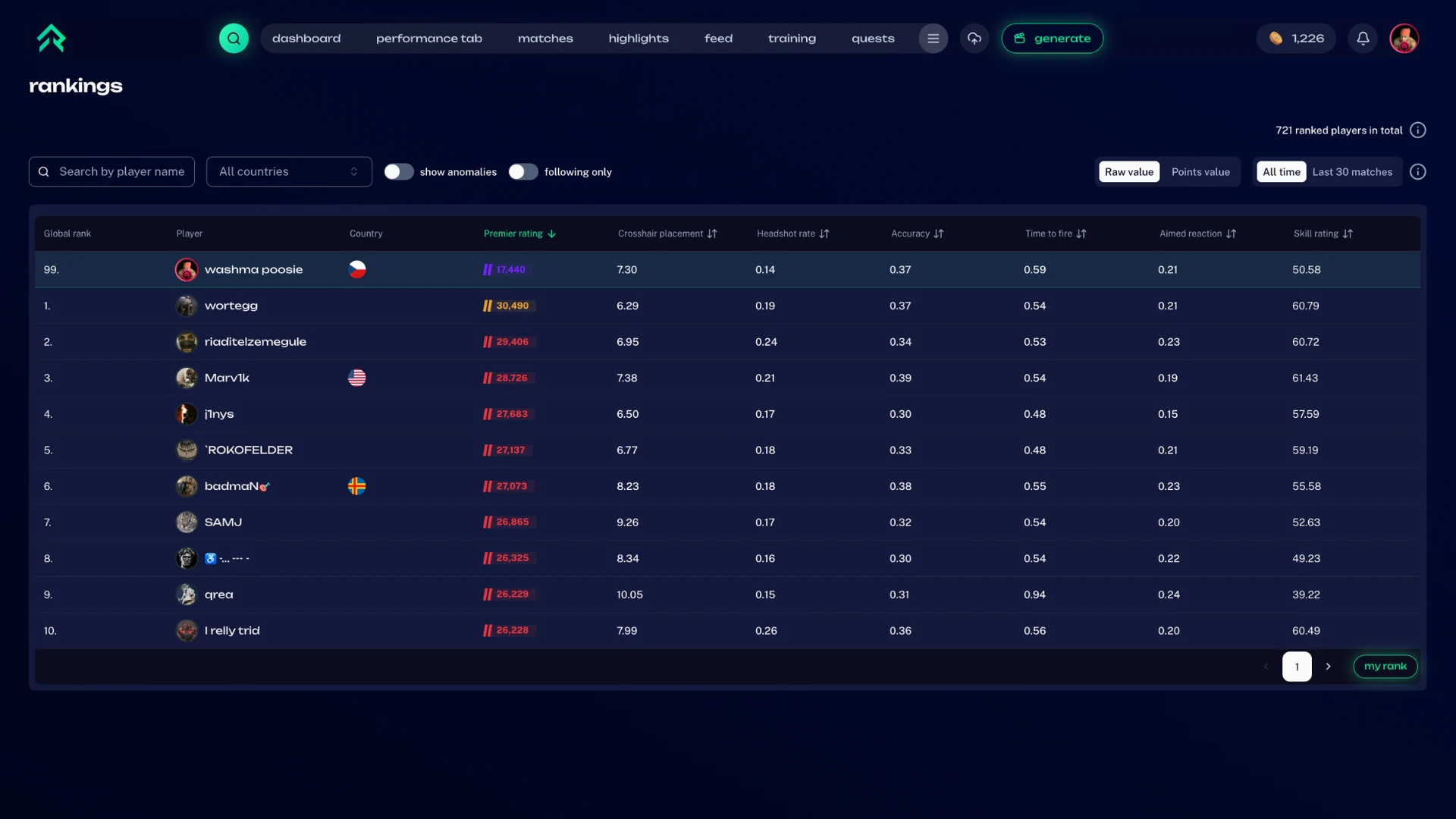
Rankings
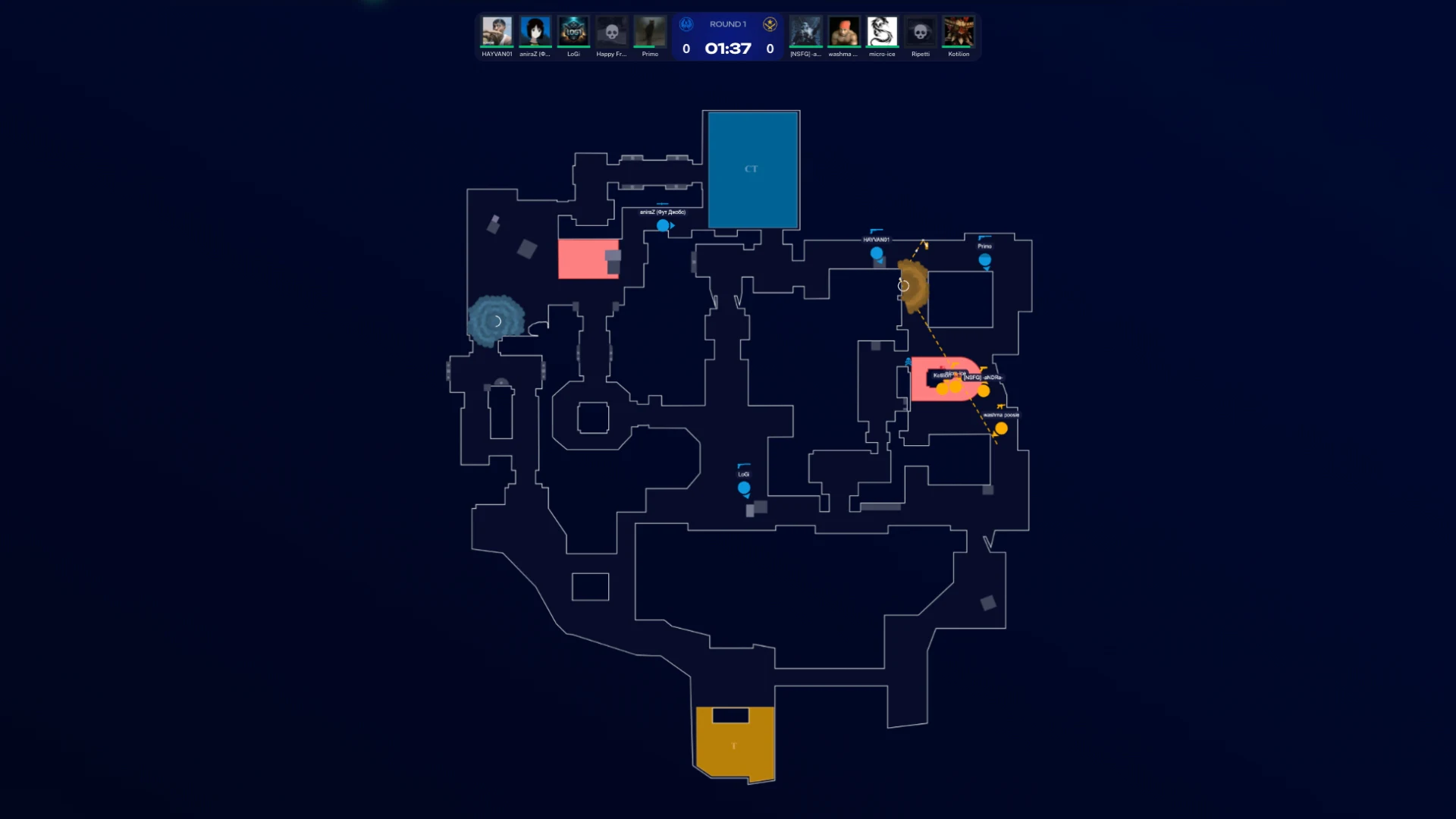
2D map
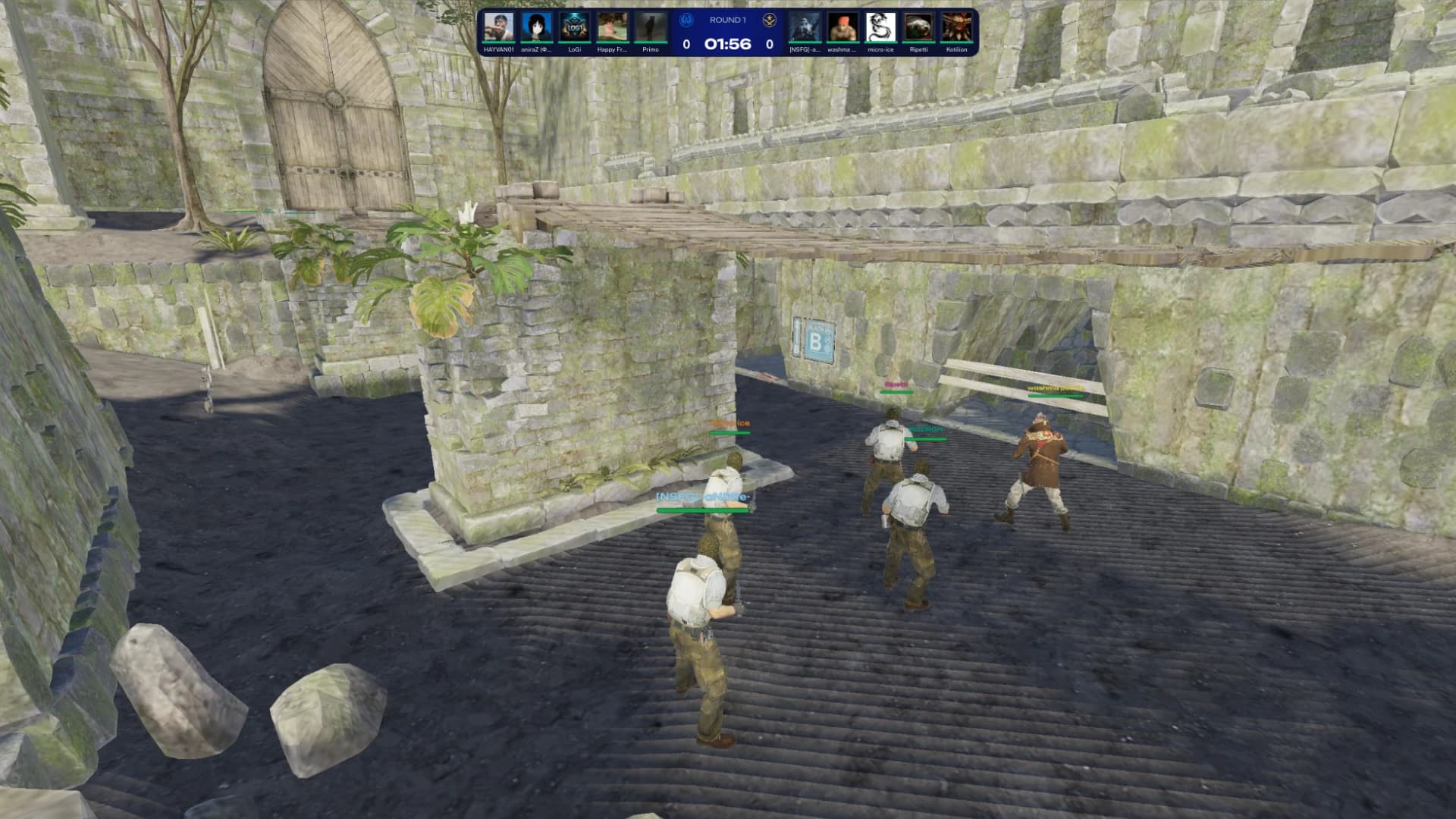
3D map
The platform behind the data.
Rankacy.com is our competitive Counter-Strike 2 platform. It turns raw match data into performance analytics, personalized coaching and shareable video — all powered by the same underlying data layer we use to understand player behavior.
>12 MILplayers analyzed across
players analyzed across
our gaming datasets
Including more than 80,000 Rankacy.com platform users.
Counter-Strike .dem filesprocessed to date
Game data representing>5,000 years
From demos to decisions.
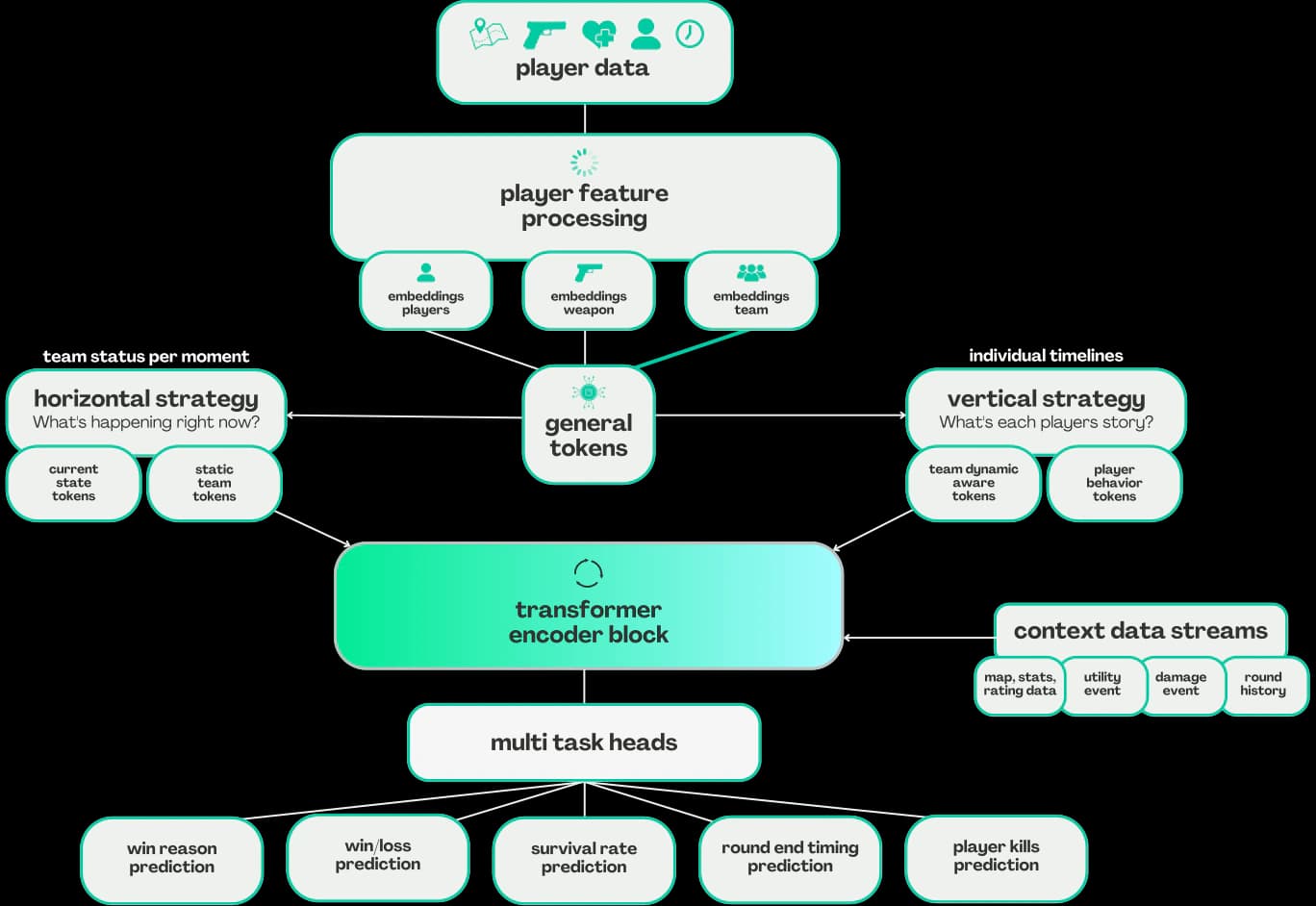
GPRT — the General Pretrained Rankacy Transformer — is our proprietary AI model for understanding and predicting player behavior in Counter-Strike 2. It processes complete match demos — every moment, every shot, every decision — to explain what is happening now and how players and teams evolve over time.
- parameters
- 75M
- encoder blocks
- 8
- training instances
- 160M
Tools built to understand why.
Predictions tell us what is likely to happen. Our proprietary research tools reveal what a player could perceive, how they reacted, and the context behind each decision.
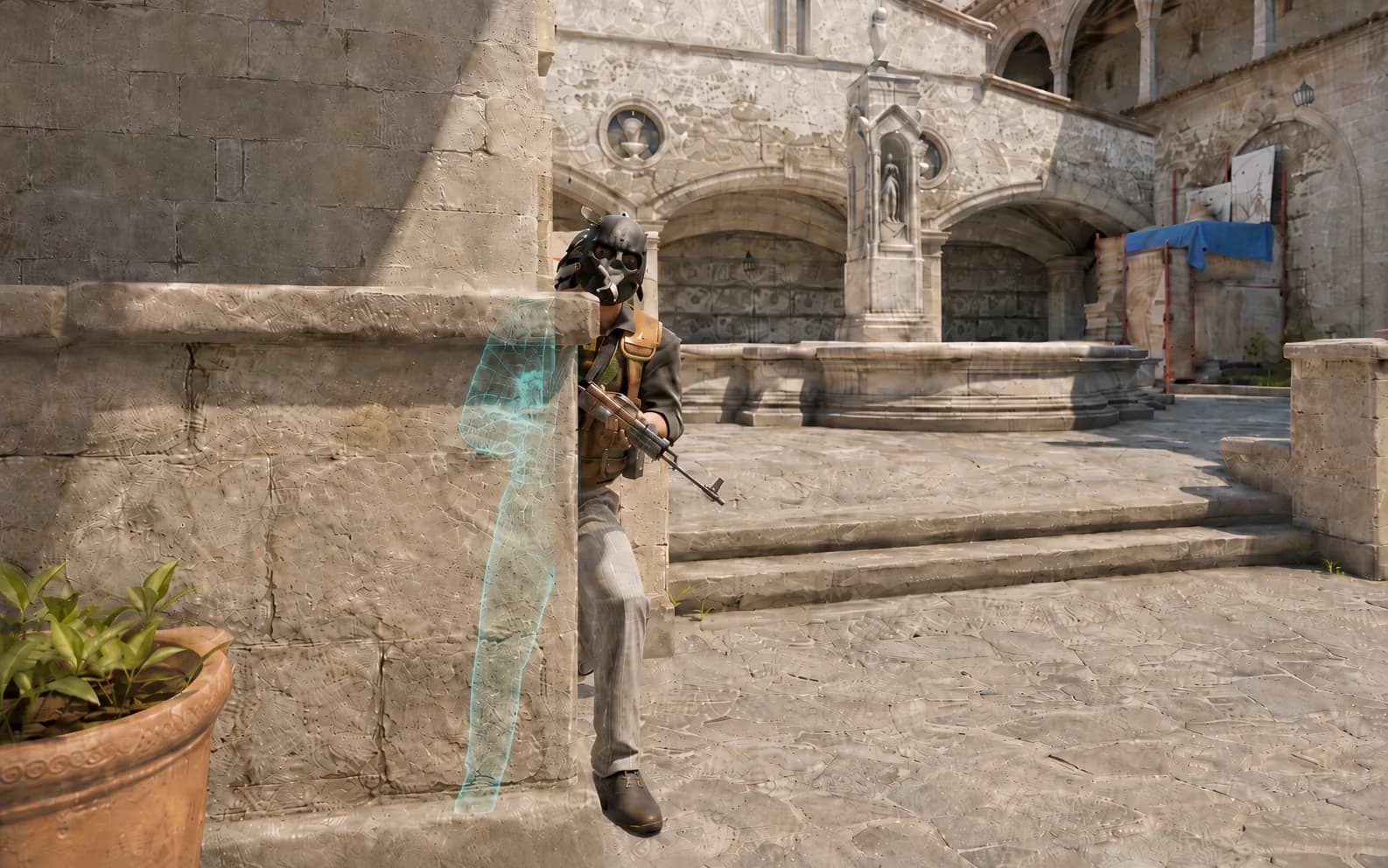
PerceiveVisibility
Visibility
Engine
Reconstructs exactly when an opponent entered a player’s field of view and how much of them was exposed.
Why it matters
It lets us measure decisions from the true visual stimulus — not from the shot, damage, or kill that followed.